The Beginning
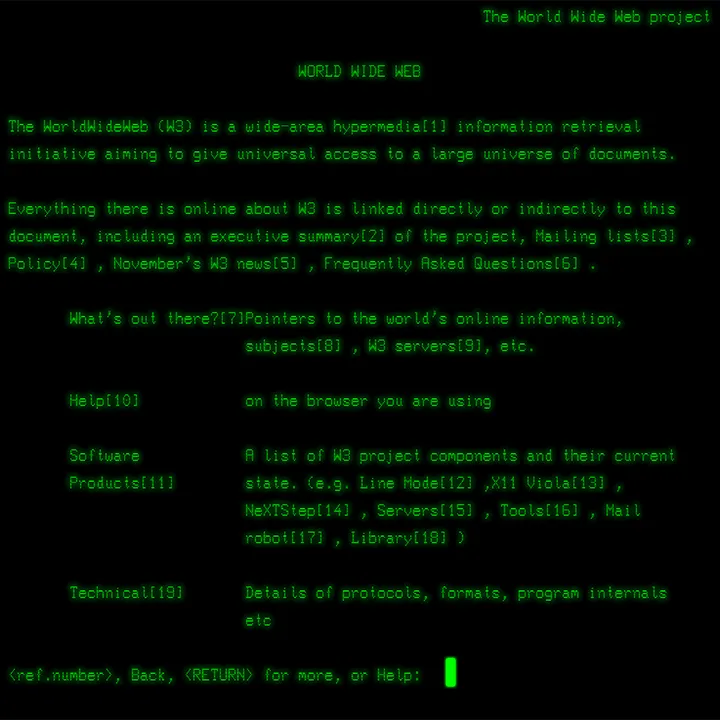
To explain the full story, we have to go back to the very beginning of what we know as the “modern” internet. The first internet website, launched by Tim Berners-Lee at CERN in August 1991, was a simple, text-based page at http://info.cern.ch that explained the World Wide Web project, how to create web pages, and how to use hypertext, serving as a foundational resource for the early web. Explained as the WorldWideWeb (W3), a wide-area hypermedia information retrieval initiative aiming to give universal access to a large universe of documents.
Early History of Social Media
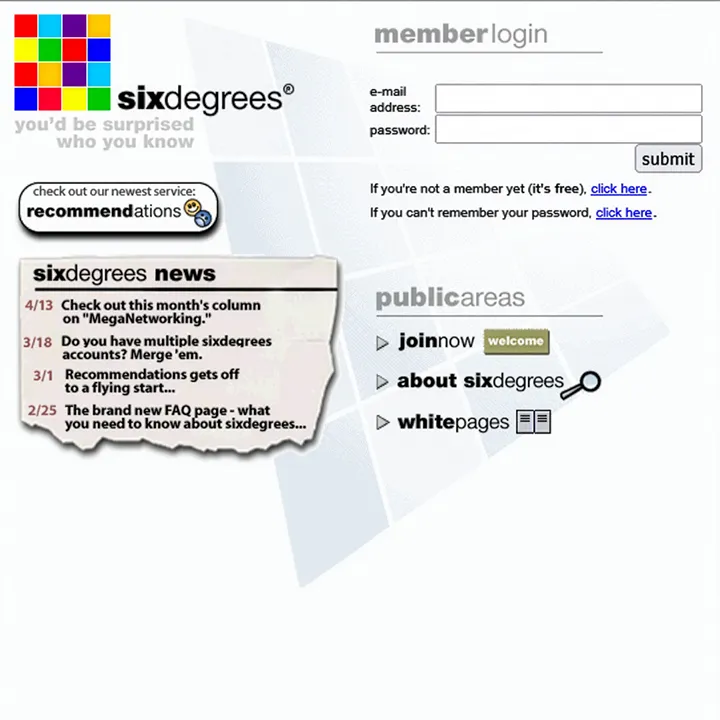
The first recognizable social media site resembling today's platforms was SixDegrees.com, launched in 1997, which allowed users to create profiles, list friends, and connect, embodying core social networking features. While earlier services like Community Memory (1973), Computer Bulletin Board System (1978), The WELL (1985) and IRC (1988) offered online communities and chat, Six Degrees combined profiles and friend lists, setting the stage for modern social media.
Then there was...
AOL was at one point the most recognized brand on the Web in the United States. AOL once provided a dial-up internet service to millions of Americans and pioneered instant messaging and chat rooms with AOL Instant Messenger (AIM). By 2000, AOL was providing internet service to over 20 million consumers, dominating the market of internet service providers (ISPs).

The GeoCities Era
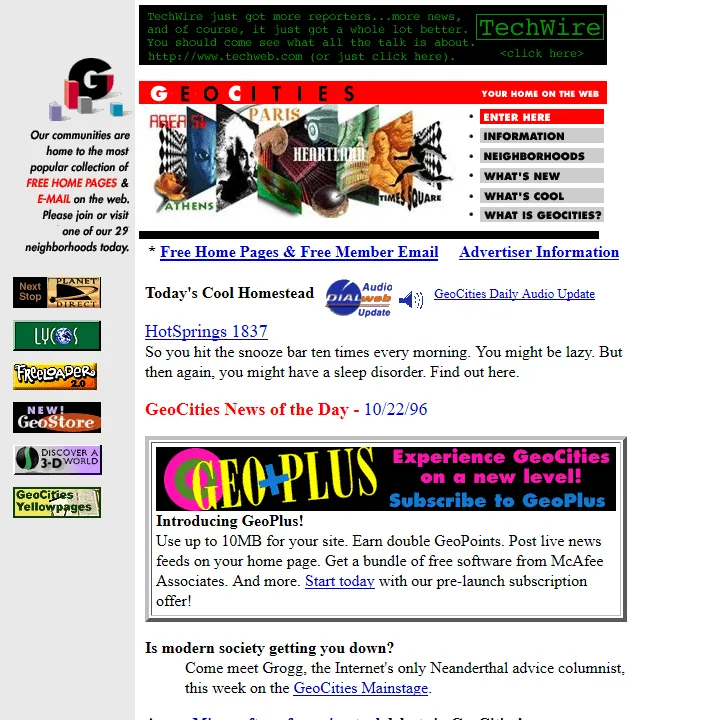
GeoCities (1994-2009) was a pioneering free web hosting service that let users build personal websites in themed “neighborhoods” (like Hollywood for entertainment, Silicon Valley for tech), fostering early online communities with distinctive aesthetics. Launched by David Bohnett and John Rezner as Beverly Hills Internet, it grew massively, was acquired by Yahoo! in 1999, and eventually shut down in 2009, though its archived content remains a nostalgic look at the early web. In these days, you had to code a website using a simple copy/paste “textarea”. As I started coding websites within WebTV (not even a PC), it had to be in raw code, as I still mostly do today.
Today / Tomorrow
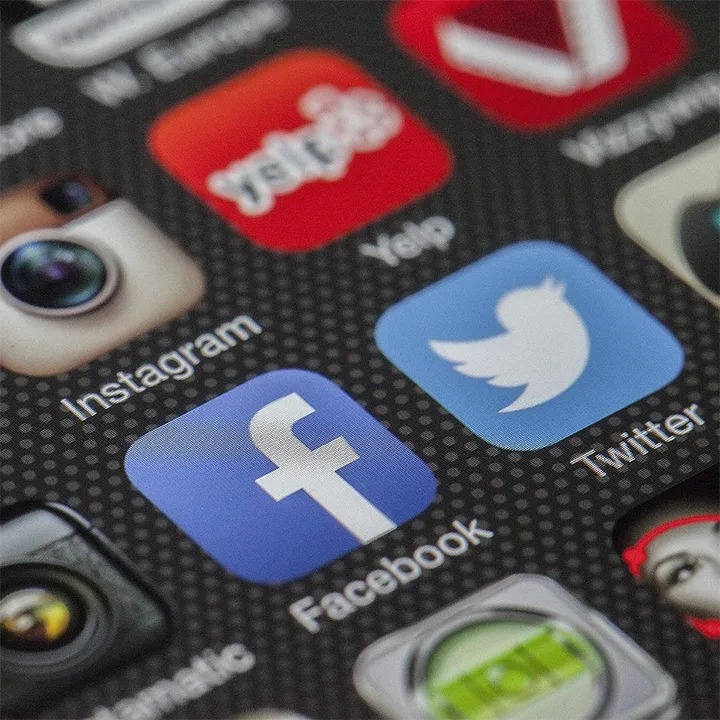
We build modern websites that don't rely on outdated content management systems. Instead, we use the platforms you already update every day - social media - to power your website content in real time. Our approach combines custom web development with live social feeds, dynamic APIs, and performance-focused design. Posts, images, videos, and updates from platforms like Instagram, Facebook, and others become your website's content automatically. No logins, no dashboards, no clunky editors - just publish once and your site stays fresh. Every site we build is fast, responsive, and designed for how the modern internet actually works: mobile-first, visually driven, and constantly evolving. Whether it's a landing page, a full business site, or a content-heavy platform, we focus on clean code, strong visual hierarchy, and seamless integration between your brand and your audience. If you can post it on social media, we can make it your website.